Back to HomeBook Free IceBreaker
Pet Resources
Complete Nutrition Guide
What you feed your pet is the single biggest factor in their long-term health. Here's what you actually need to know — no filler.
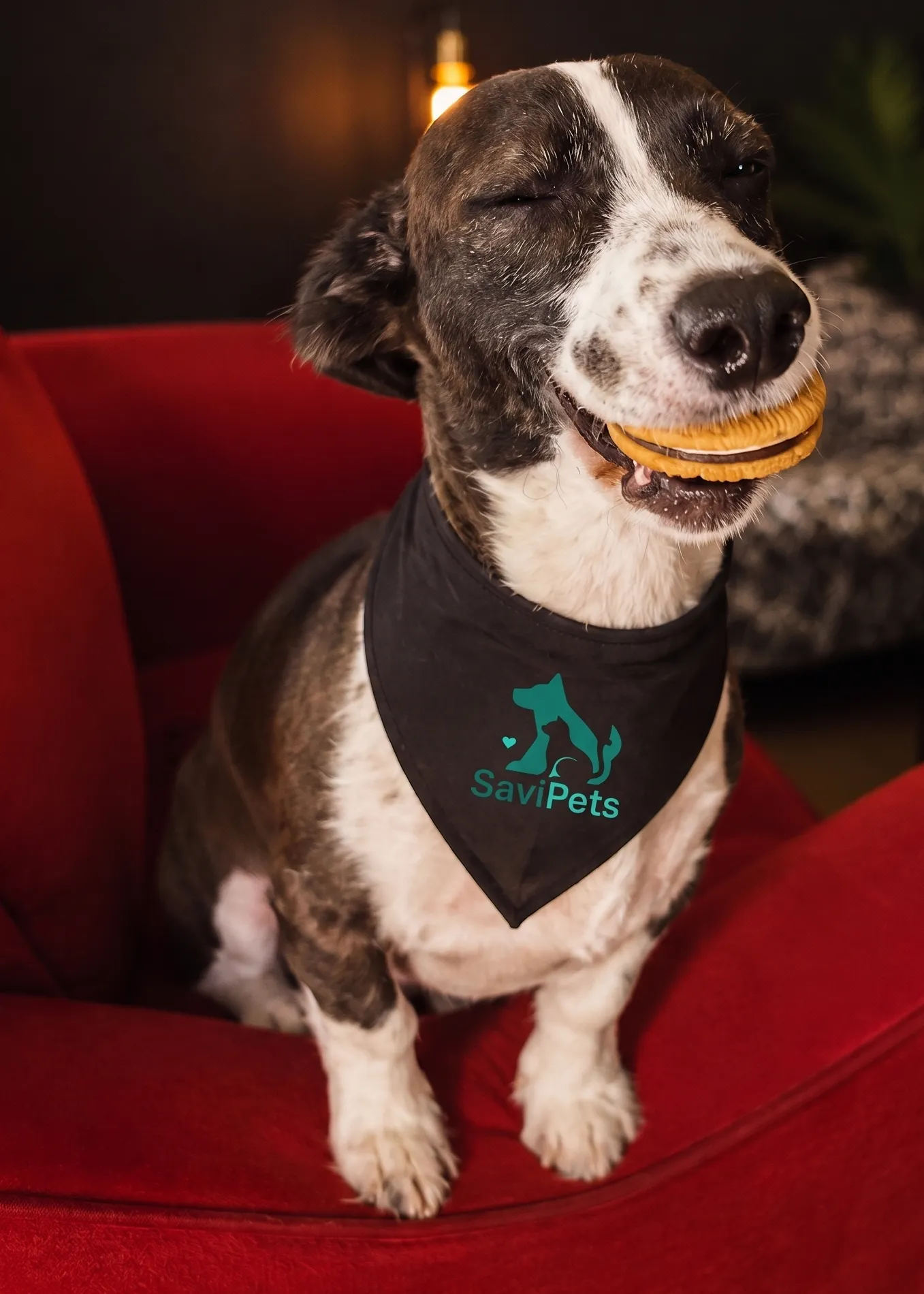
Dog Nutrition
- Protein is the foundation. Look for a named meat (chicken, beef, salmon) as the first ingredient. Avoid "meat by-product meal" as the primary source.
- Complex carbs for sustained energy. Whole grains, sweet potato, and brown rice are far better than corn syrup or white flour fillers.
- Essential fatty acids. Omega-3s (fish oil, flaxseed) support coat health, reduce inflammation, and boost cognitive function — especially in seniors.
- Check for AAFCO certification. "Complete and balanced" on the label means it meets minimum nutritional standards for your dog's life stage.
- Toxic foods to avoid: grapes, raisins, onions, garlic, xylitol (artificial sweetener), chocolate, macadamia nuts, and avocado.
Cat Nutrition
- Obligate carnivores — no exceptions. Cats cannot synthesize essential nutrients from plant sources. Their diet must be primarily animal-based protein.
- Taurine is non-negotiable. This amino acid is found only in meat. Taurine deficiency causes irreversible heart disease (dilated cardiomyopathy) and blindness.
- High moisture diet. Cats have a low thirst drive and are prone to kidney disease. Wet food or a water fountain significantly increases hydration.
- Low carbohydrates. Cats lack the digestive enzymes to efficiently process carbs. High-carb diets contribute to obesity and diabetes in cats.
- Toxic foods to avoid: onions, garlic, raw dough, alcohol, xylitol, and dog food (dog food lacks the taurine cats need).
Bird Nutrition
- Pellets as the base (60–70%). A high-quality formulated pellet mix provides balanced nutrition. Seed-only diets are a leading cause of nutritional deficiency in pet birds.
- Fresh produce daily. Offer washed, chopped dark leafy greens, carrots, bell peppers, and berries. Variety is key — rotate what you offer.
- Calcium source. A cuttlebone or mineral block in the cage provides calcium for bone and egg health and doubles as beak conditioning.
- Limit seeds and nuts. High fat content makes them a treat, not a staple. No more than 10–15% of diet.
- Toxic foods to avoid: avocado, chocolate, onion, garlic, caffeine, alcohol, and apple seeds. Avocado is rapidly fatal to birds.
Ready to give your pet the best care?
Professional in-home pet care across Wayne, Berwyn & the Main Line.